Personal Branding for Founders


Why Personal Branding?
A lot of founders I’ve spoken to, especially those of us who are technical, bristle at the idea of intentionally working on their “personal brand.” I don’t like the term either, but once you cross the line from employee to founder, you’ll find that the relationships, reputation, and network you’ve built become 10x more valuable.
While some first-time founders successfully raise angel and venture money based purely on their ideas, the most successful founders I’ve met had some previous connections to their early investors that helped them secure their first rounds of funding. A strong personal brand is one way that founders can attract these and other valuable connections.
Your success will depend on getting others to recognize your value. So you need to get comfortable marketing yourself.” - Jill Avery, Harvard Business Review
For example, in the past year, more than 66,000 people have visited my personal website.
My web presence has helped me hire employees, attract new customers, build relationships with investors, and spurred countless interesting conversations with readers from around the world.
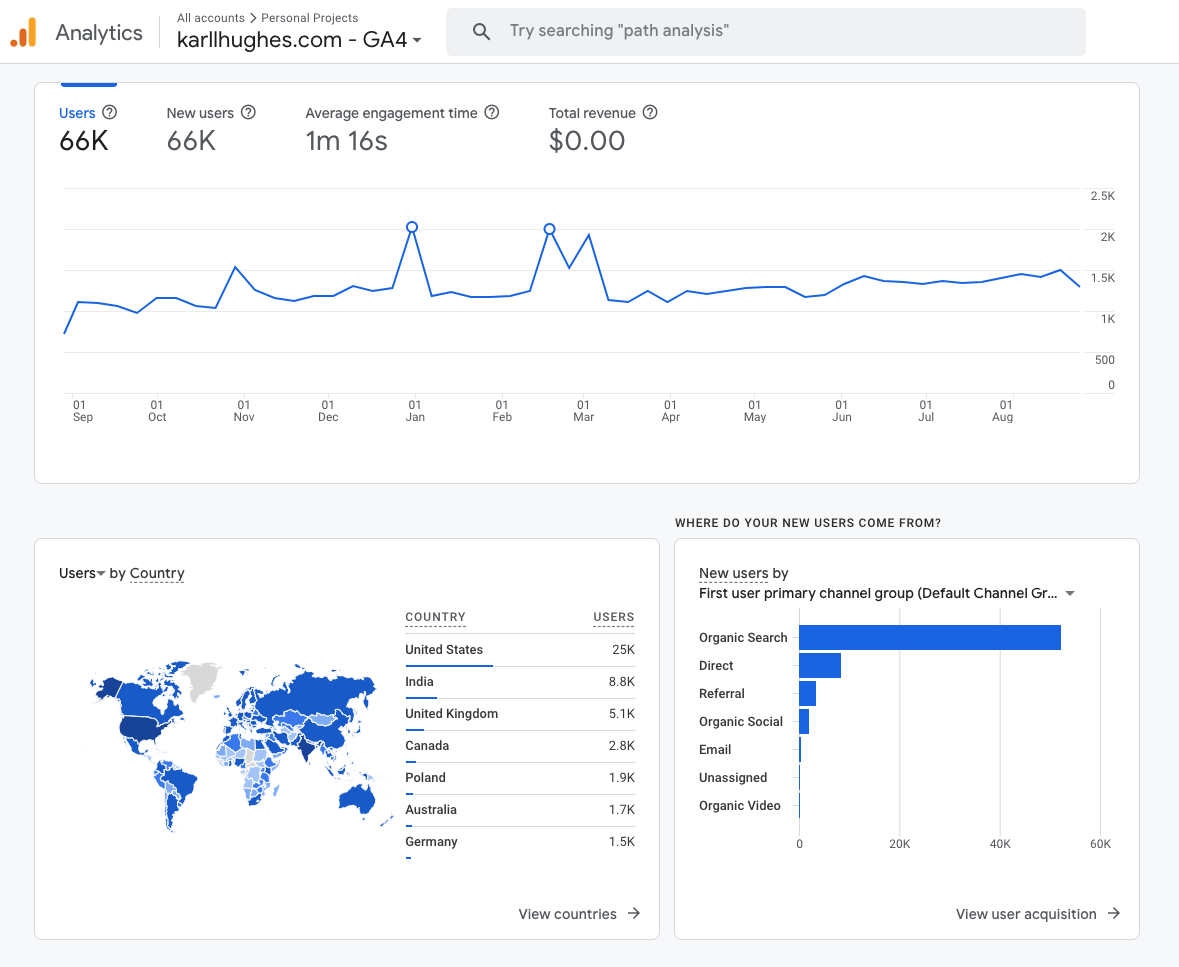
I say this not to brag, but simply to point out that anyone can do this.
I’m not an influencer or a celebrity. I haven’t had an exit or tons of press coverage for my businesses. I am just a software engineer who worked for startups and eventually founded and bought a couple of small businesses.
Along the way, I documented things that I learned, thought about, researched, and got interested in. I have never been especially prolific–averaging about one new blog post per month–but I have been pretty consistent. And, if you do something consistently for a decade, you’re bound to get decent at it.
That’s personal branding for me. It’s low-effort, but effective.
In this post, I’ll share more about what founders need to know about personal branding. I’ll start with the high-level “what” and “why,” and then move into some specific tips I wish I had when I was just starting my efforts. Along the way, I’ll offer examples of founders who do this well and share some takeaways that have helped shape my personal branding efforts over the past decade.
What is Personal Branding?
Personal branding existed long before the internet, but the proliferation of personal websites, social media, and online groups has dramatically changed the way personal branding happens.
Personal branding means taking steps to intentionally control the way people perceive you as a person or professional. For founders, this usually means shaping the narrative of what you’re building and why you’re building it. It can involve proving your expertise on a particular subject or sharing your opinions about an industry, technology, or trend.
As Jill Avery from Harvard Business Review writes, “Personal branding is an intentional, strategic practice in which you define and express your own value proposition...it’s the amalgamation of the associations, beliefs, feelings, attitudes, and expectations that people collectively hold about you.”
For some people, personal branding is highly visual–especially in fields like sales, design, or show business.
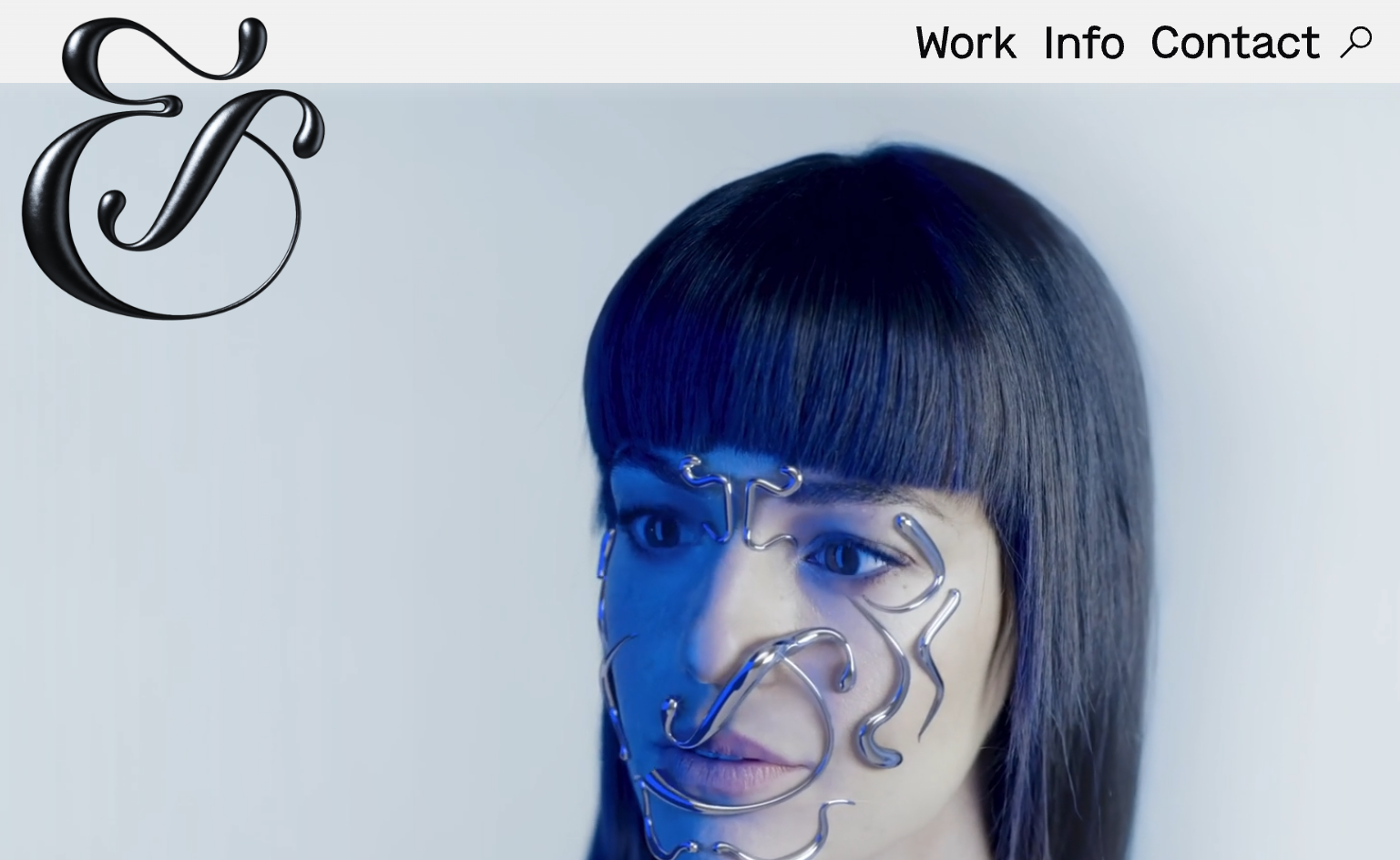
Jessica Walsh’s website (a well-known graphic designer) is highly visual and striking.
For more technical professionals, personal branding might be more about how you think or the technology you’re creating.
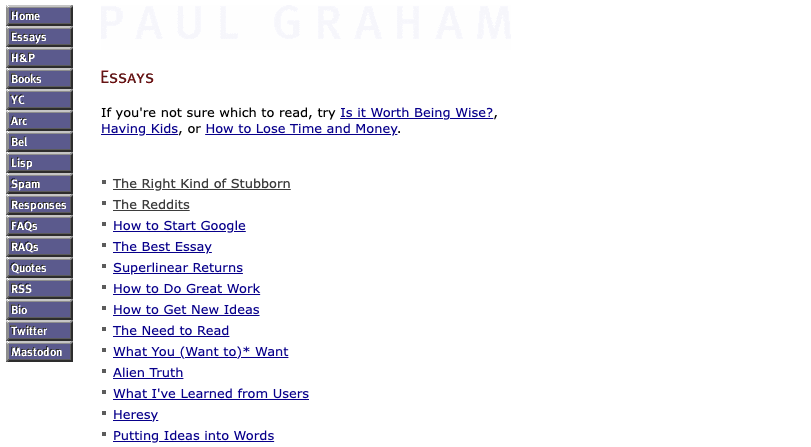
Paul Graham’s website (YC Founder) is mostly text and mostly references the technology he’s worked on.
Of course, a personal website isn’t the only avenue to control your personal brand, but we’ll cover more channels later. Before that, let’s talk about why it actually matters.
Why Should Founders Care?
Of course, the most well-known startup founders have established personal brands through their work and stories about them, but does this matter for early-stage startup founders? Or is personal branding something you can just worry about once you have a PR team?
One of the things I love about entrepreneurship is that you can make your own path–you don’t have to do anything just because other people think you should. That said, if you are interested in cultivating a personal brand, it has its benefits.
Business Awareness
When I first started Draft.dev, I was making a pretty big career pivot from engineering to content marketing. I had never done sales before, but I had met a lot of people in developer relations and developer marketing thanks to my blog, public speaking, and social presence.
As a founder, your personal brand is largely indistinguishable from your business’ brand in the early days. Investing time in building your personal brand before you launch a company is a good way to gauge interest in your ideas and launch with more than just a Hacker News post.
Your personal brand is also a good way to showcase what you’re working on to people as your role and interests change. A few years ago, I was all about microservices and hiring engineers, and now I’m focused on business development and acquisition entrepreneurship. Whenever people ask how I made that transition and what I’m working on, I can easily refer them to my personal website.
Building 1,000 True Fans
People buy from people. Even if your goal is to build a highly scaled technology startup, everyone starts with their first customer, and almost every first customer comes from previous relationships with people who like and trust you.
Kevin Kelly’s well-known essay 1,000 True Fans is all about the long-term value of building a base of loyal “fans” as customers:
Millions of paying fans is not a realistic goal to shoot for, especially when you are starting out. But a thousand fans is doable. You might even be able to remember a thousand names. If you added one new true fan per day, it’d only take a few years to gain a thousand.” - Kevin Kelly
Building your personal brand essentially means building your list of true fans, and it’s something you can take with you before you launch your business or after you sell it and start a new one.
My first corporate customer at Draft.dev approached me after seeing a deeply personal post I made on Linkedin about the feelings I had spending time with my new son. While we delivered value for them (they’re still a customer four years later), the relationship started because she was a fan of my Linkedin post.
Unforeseen Opportunities
Most people who read your blog or interact with you online won’t become “true fans,” but that doesn’t mean you won’t benefit from these readers.
For example, I’ve had several startup founders and employers reach out to me about consulting and job opportunities just because of something I wrote years ago. A few of these were worth pursuing, and some led to long-time friendships.
Having a visible personal brand that attracts like-minded people is a great way to increase your luck surface area as a founder. Building a reputation as a person who knows specific topics will lead to introductions, chance encounters, and a greater chance at success for any related projects you launch.
5 Personal Branding Best Practices
Like most founders, I’m busy, so I don’t spend 10 hours a week managing my personal brand, and my assistant doesn’t either. But, I’ve found a few tips that generally help me move the needle forward over time without a huge weekly commitment.
1. Understand Your Target Personas
The most fundamental question about branding (personal or organizational) is “Who are you trying to reach?”
As a founder, you probably have 2-3 target personas, so it’s important to think about them in concrete terms when you start planning your personal branding efforts. For example, mine are:
- Founders running $1M-$5M digital agencies who might want to sell their business in the next five years.
- Former agency owners who have exited and are looking to invest $1M-$5M in a portfolio of digital agencies
My personal brand, blog, social media, etc., are all centered around attracting and helping these two personas in some way.
2. Choose One to Two Channels
It’s better for your personal brand to be more active and engaged on fewer channels than to spread your efforts too thin such that they’re unsustainable. The choice of which channels to focus on (YouTube, personal blog, Linkedin, X, Facebook, etc.) comes down to the point above: “Who is your target audience and where are they spending time?”
The other thing to consider is what kind of content you want to create in order to bolster your personal brand. I’ve always leaned towards writing, but audio, video, or image-based content is certainly an option. You want your personal branding efforts to feel fun and easy, so don’t start up a TikTok channel if posting videos feels like a chore.
3. Consistency Over Time is Key
If you are like me, you get excited about new things, and that leads to taking on too much and burning out fast. At one point, I was writing new blog posts every single week on my personal blog, but it wasn’t sustainable.
I’ve found that you get better results over time and you can prevent burnout by building a plan that revolves around consistency over time instead of pushing as much content as you can for a few weeks and then quitting altogether.
4. Develop a Clear Call to Action
What do you want your target audience to do once they find you and start to feel like they trust you? Do you want them to book a call with you? Join your newsletter? Follow you on social media?
As you build up a presence, the next step is to clearly direct followers to a single, consistent call to action (CTA) that helps you understand the effectiveness of your personal branding efforts.
5. Be Authentic
I almost omitted this last tip because it feels trite to say, but I think it’s worth noting because I’ve failed at this many times in the past. Yes, your personal brand should help shape others’ perception of you, but it should also reflect your true personality and values.
There’s little value in building a brand that you quickly grow to hate because it’s just not really who you are. Be vulnerable. Share personal stories. You’ll build trust with people much faster if you’re consistently true to who you are in person and online.
Conclusion
Building a strong personal brand is not unlike building a strong brand for your startup. You have to understand who you’re trying to reach, how you’ll reach them, and the feelings you want them to have about your brand. That said, the advantage of having a personal brand is that it carries with you, long after you exit your company.
If you’re working on building a brand as a founder, please follow up with me–I’d love to hear about your journey.
Content from the Library
The Acqui-Hire Is No Longer a Distress Sale
In the AI age, the acqui-hire is no longer a consolation prize. It’s becoming a new category of startup outcome. Heavybit partner Amir Zohrenejad explains.
Generationship Ep. #47, The Tech Bros with Milette Gillow and Sedinam Simpson
In episode 47 of Generationship, Rachel Chalmers chats with Dr. Milette Gillow and Sedinam Simpson, co-founders of The Tech Bros, about their mission to make tech more inclusive and inventive. They unpack lessons from their first accelerator cohort, debate the future of AI, and share what it takes to build confidence and community in an evolving industry.
Founders at Scale
In this DevGuild: Founder Fundamentals finale panel, three exceptional founders—Edith Harbaugh, Rajoshi Ghosh, and David Crawshaw—settle in for a discussion about their own journeys from ideas, to category leaders. They unpack some of the most critical moments of change each experienced as founders, how they honed their skills marketing and selling their technical products, and how they as individuals, their roles as leaders, and their organizations at large have evolved to meet every new challenge. This isn’t a highlight reel, it’s an honest reflection on what it takes to lead a market-defining startup.